NYSTART/CSIDD provides crisis prevention, intervention, and therapeutic support for individuals with intellectual and developmental disabilities, and behavioral health needs, throughout Western New York.
New York Systemic, Therapeutic, Assessment Resources, and Treatment (NYSTART) / Crisis Services for Individuals with Intellectual and/or Developmental Disabilities (CSIDD) offers crisis prevention and intervention support to people with developmental disabilities and co-occurring mental health or behavioral health needs.
The goal of the NYSTART/CSIDD program is to build relationships and supports across service systems to enhance the ability to support the person in need.
Who we are:
CSIDD is a community-based program that offers crisis prevention and intervention to people with intellectual and developmental disabilities and complex behavioral health needs. CSIDD focuses on building capacity, and helping teams to understand the people they are supporting through a trauma informed, positive, and humanistic way. CSIDD follows the nationally recognized START Model. The Arc Chemung-Schuyler is the provider agency for CSIDD.
What we do:
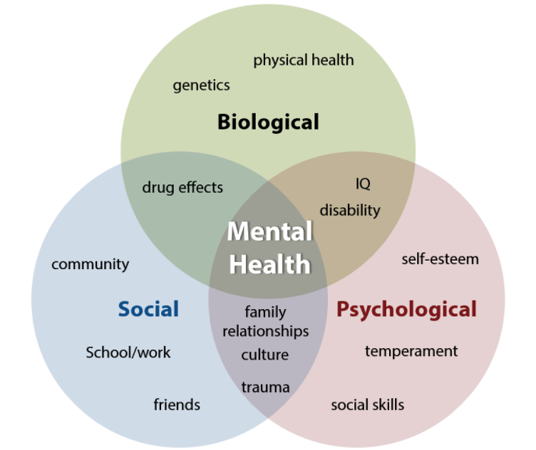
CSIDD works with the team around a person to help build capacity and understanding of the person, using a biopsychosocial approach. This approach can be helpful, as it looks holistically at a person. This approach will take into account all aspects of a person’s biological, psychological and social vulnerabilities and factors, and not just focus on external challenges. Once these vulnerabilities are identified, the CSIDD Coordinator assigned to the case will identify particular START Tools to help with stabilization of the team and the person.
How do we do it?
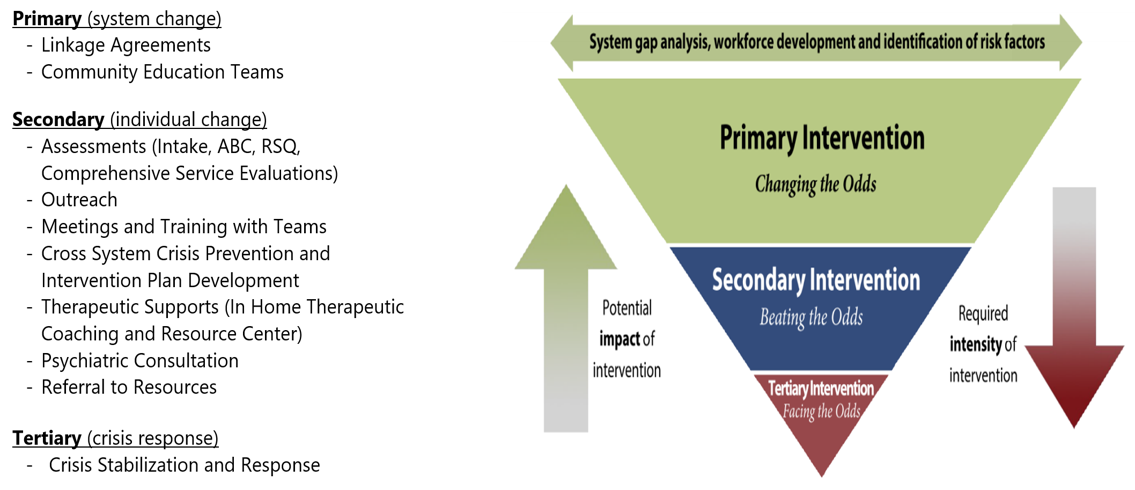
CSIDD uses START Tools to help a team and person move to stability. START Tools are listed below:
Tools that are a part of the NYSTART/CSIDD program:
Crisis Plan Development:
NYSTART/CSIDD Coordinators join existing systems to develop a crisis plan for the person. The planning process includes assessing current systems of care, developing potential preventative and coping strategies for the person and caregivers and agreeing on a process to access supports.
Consultation, Education, and Training:
NYSTART/CSIDD provides consultation, training and technical assistance to community partners and organizations to create a well-trained network that can better support individuals in distress.
Crisis Response:
NYSTART/CSIDD is available to help. The clinical team is designed to provide support at times of crisis, assess emergency situations and assist the system of care with planning and reconnecting to the person in need of support. In person assessment is available for individuals enrolled in CSIDD services. 24 hour crisis support can be received at 844-567-8278.
Short-Term Therapeutic Coaching:
NYSTART/CSIDD can provide short term therapeutic support. The NYSTART/CSIDD team provides trained coaches within the person’s system of care (ex. residence, day program, educational setting) to assist with crisis stabilization, assessment, and identification of interventions to reduce stress for the individual and system.
Short Term Therapeutic Resource Center:
The NYSTART Resource Center provides short-term, intensive therapeutic support through planned or emergent stays for individuals age 18 and older who are clinically eligible. The Center offers a structured, home-like environment designed to support crisis stabilization, assessment, treatment, and the identification of effective interventions to reduce stress for the individual and their support system.
Through a change in environment, individuals receive support in a therapeutic, community-based setting that emphasizes positive psychology, strengths-based practices, and person-centered approaches. The goal is to address immediate needs, build on individual strengths, and identify strategies that can help prevent or reduce future crises.
The Therapeutic Resource Center is one of several tools available through the START model. Although Resource Centers are located in designated regions across New York State, an individual does not need to live in a region with a Resource Center to be considered for a stay. Enrolled individuals may be referred to a Resource Center in another region based on their clinical eligibility and identified needs.
Click here to learn more about NYSTART/CSIDD, Crisis Prevention and Response which provides community-based crisis prevention and response services throughout 17 Western Finger Lakes counties in OPWDD’s Region 1.
The Arc’s Region 1 START/CSIDD team is producing positive results
During a recent certification review, the National START Office expressed an interest in The Arc Chemung-Schuyler’s best practices and the University of New Hampshire’s national START office has requested permission to formally study the team’s model and its practices in outcomes and therapeutic coaching. The Arc’s team looks forward to continuing to share our body of work.
NYSTART/CSIDD Region 1 services are available in the following counties:
Allegany, Cattaraugus, Chatauqua, Chemung, Erie, Genesee, Livingston, Monroe, Niagara, Ontario, Orleans, Schuyler, Seneca, Steuben, Wayne, Wyoming, and Yates.
Who is eligible?
To be eligible for START/ CSIDD, individuals must be:
Often those referred to START/ CSIDD have a history or continued risk of accessing psychiatric emergency departments or inpatient psychiatric care and have risk of losing their current placement.
Emphasis on Bio-Psycho-Social
NYSTART/CSIDD considers the biological, psychological, and social strengths and vulnerabilities related to mental wellness and how these factors might influence one another and contribute to crisis and stability.
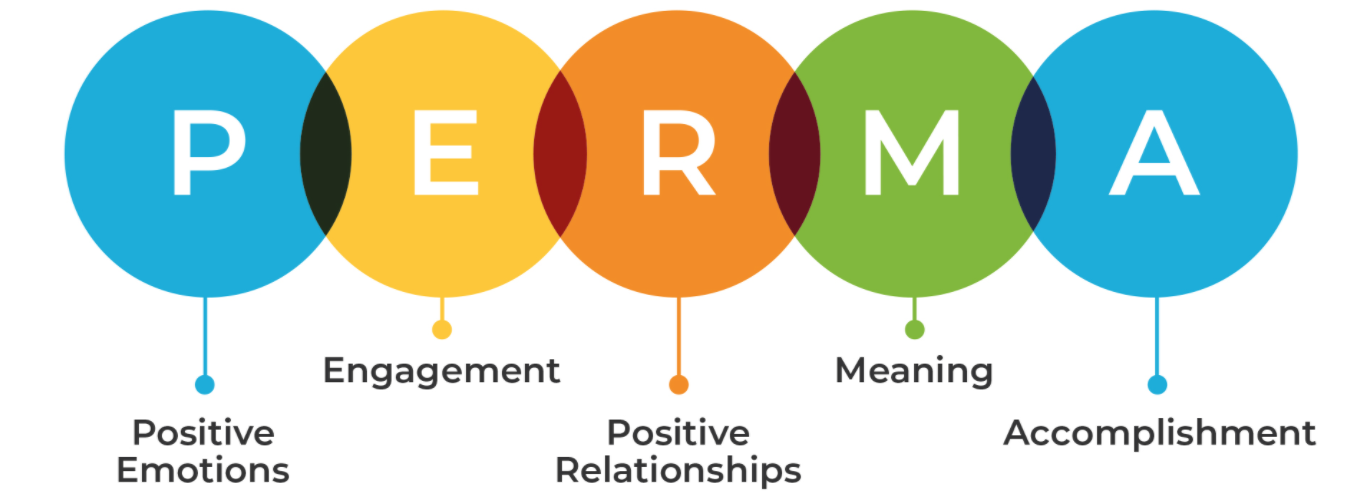
Positive Psychology
NYSTART/CSIDD emphasizes the theory or PERMA and focuses on inherent strengths and positive assets of a person to shift the attention from ‘what is wrong’ to ‘what is strong’. PERMA helps to identify what enables human flourishing.
Click here to learn more about NYSTART/CSIDD, Crisis Prevention and Response which provides community-based crisis prevention and response services throughout 17 Western Finger Lakes counties in OPWDD’s Region 1.